Exploring Innovation at China’s Leading Fabrics
Textile Technologies.
Main Materials Used for Knitted & Woven Fabrics:
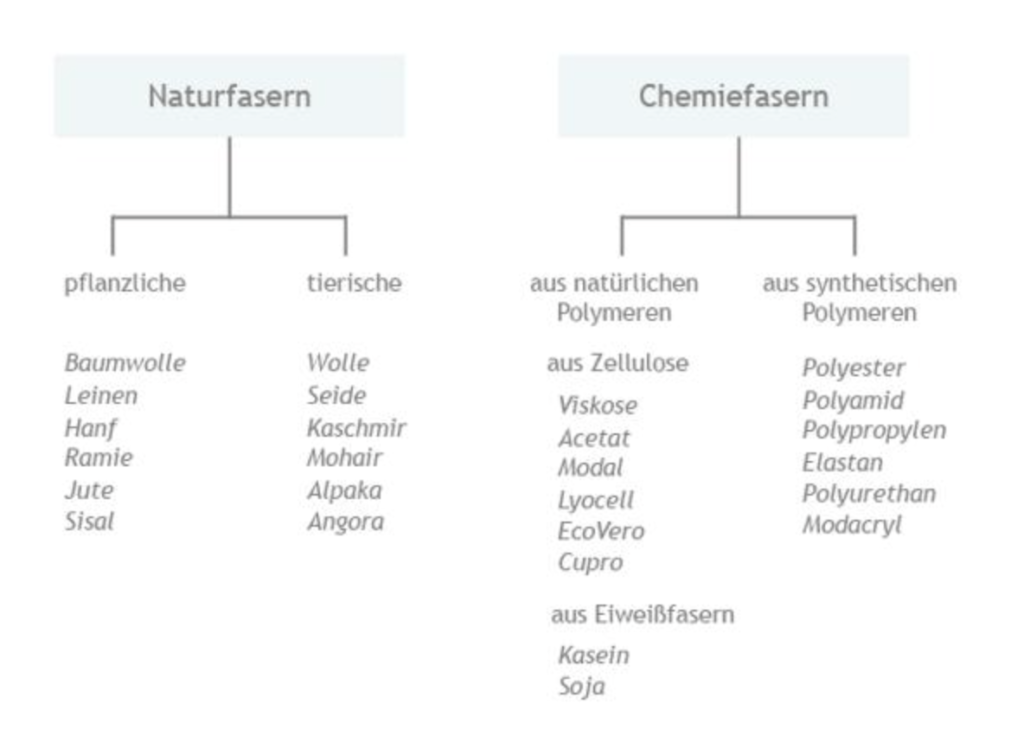
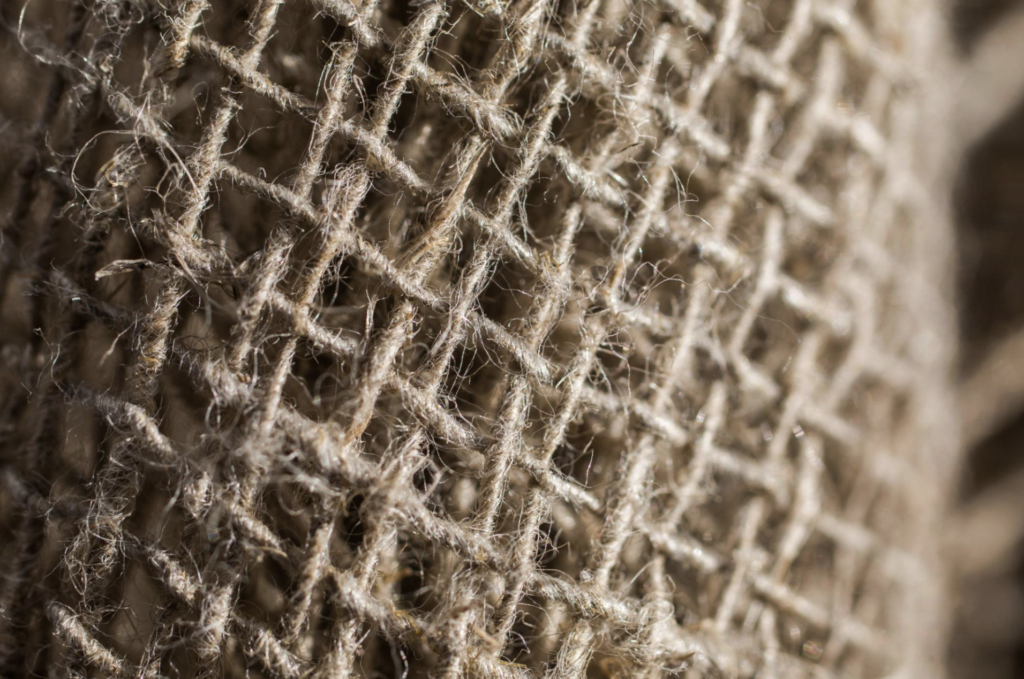
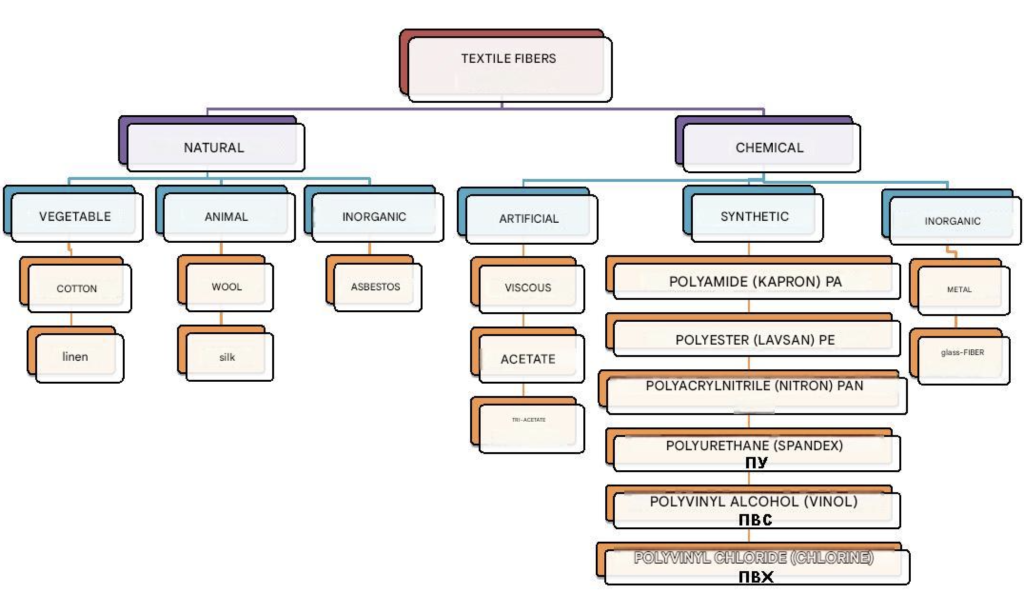
Natural Fibers
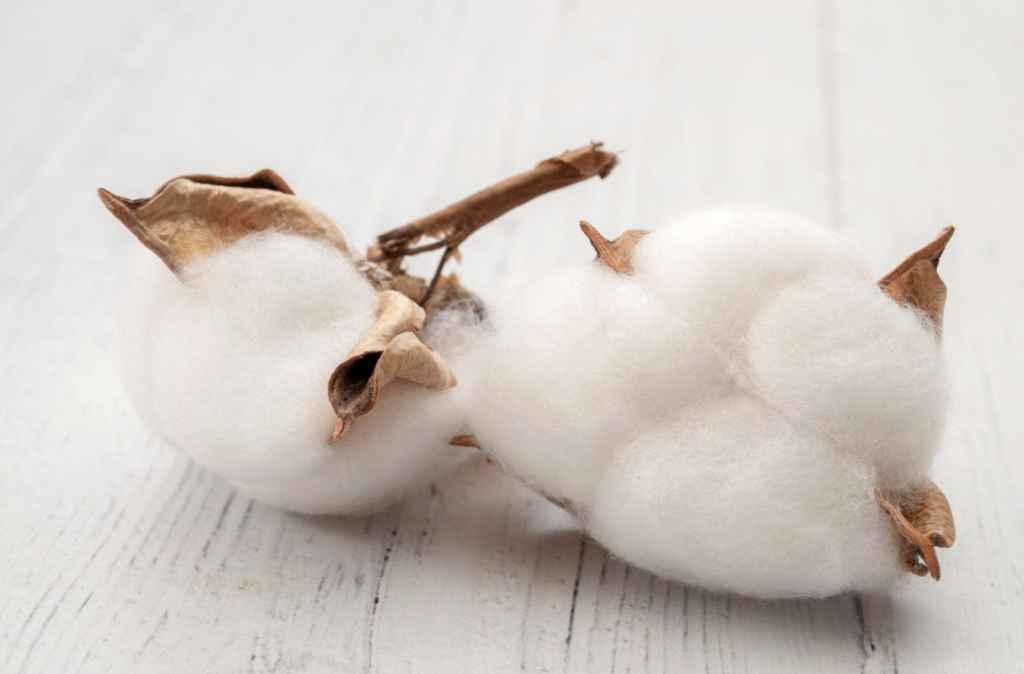
Textile Engineering Cotton
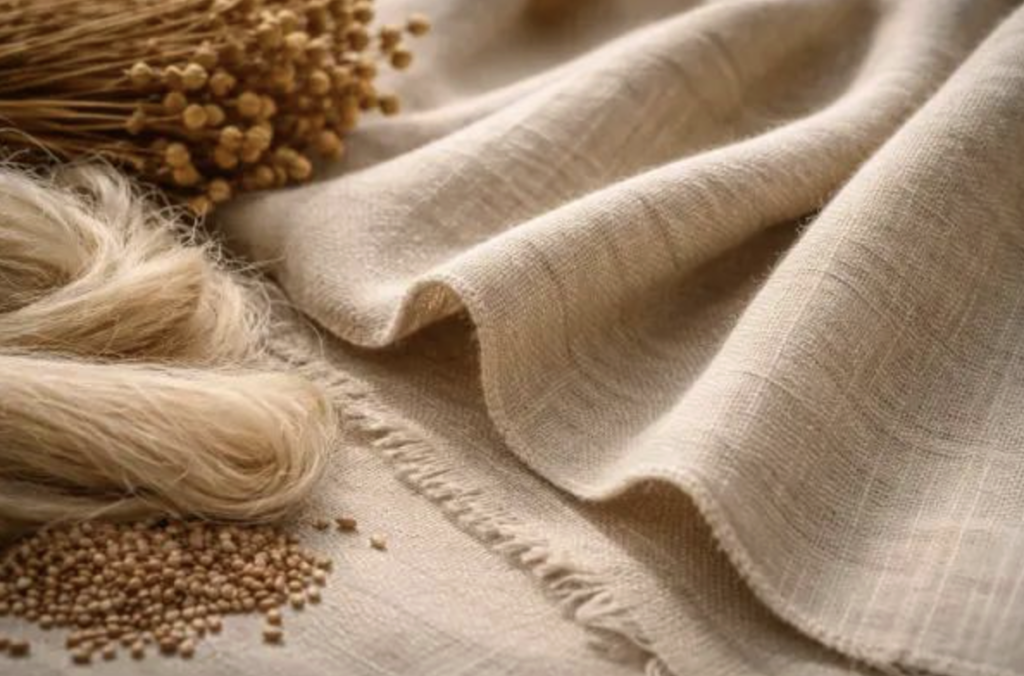
Soft, breathable, very common. Linen (Flax)
Strong, natural texture, premium feel. Wool
Warm, elastic, winter fabrics. Silk
Luxury, smooth, shiny.

Synthetic Fibers:
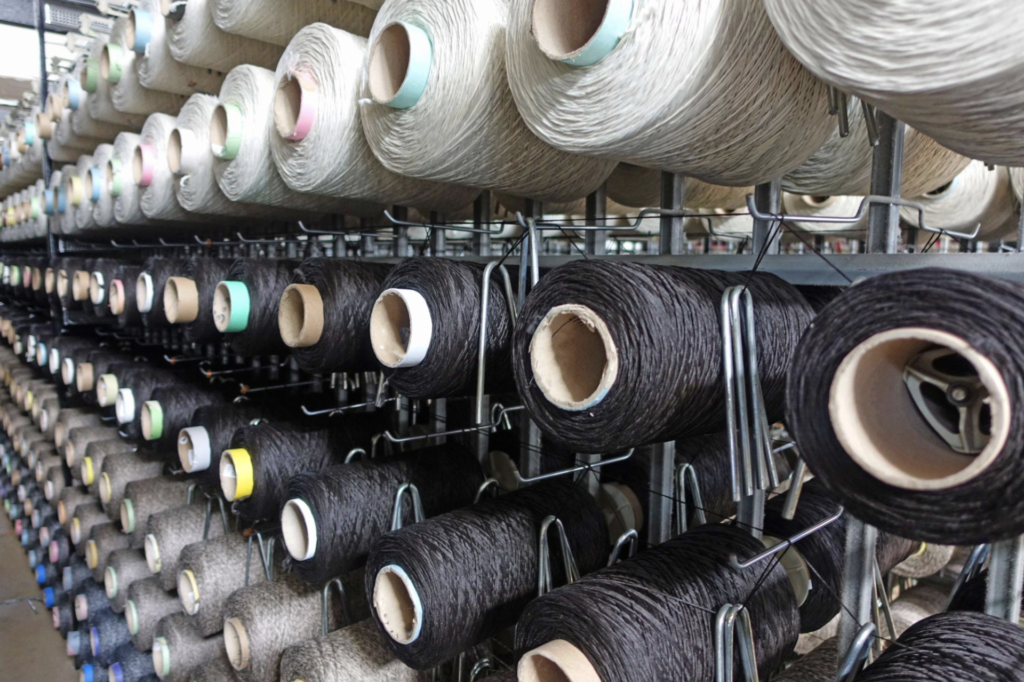
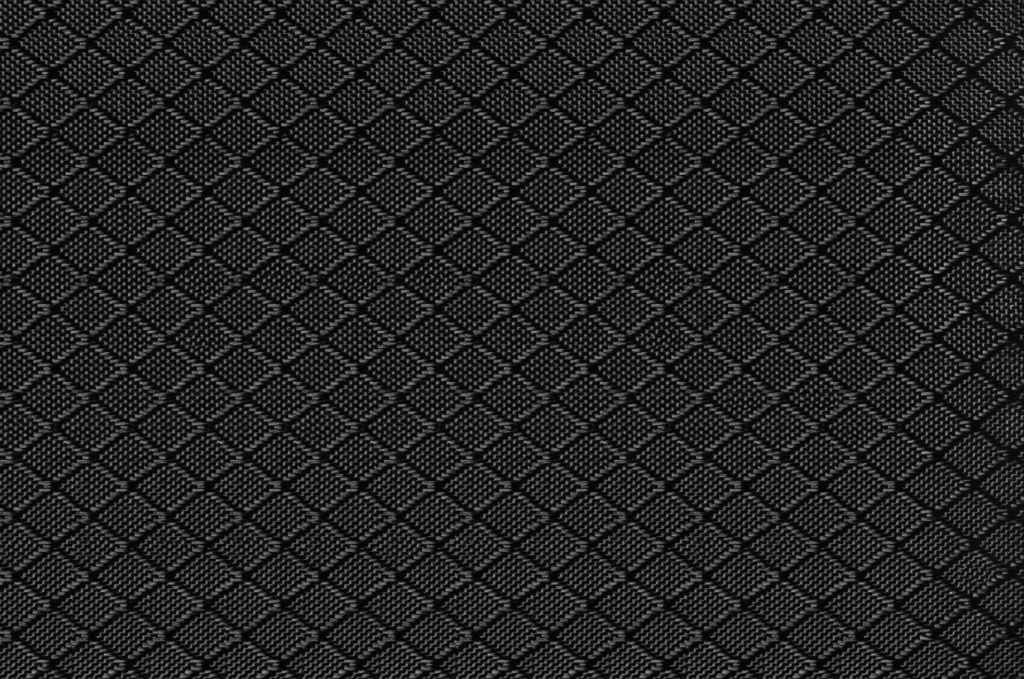
Synthetic Fibers
Polyester
Most widely used industrial textile fiber. Nylon
Strong and durable. Acrylic
Wool-like synthetic fiber. Spandex / Elastane
Stretch fabrics.
Recycled & Eco Materials:
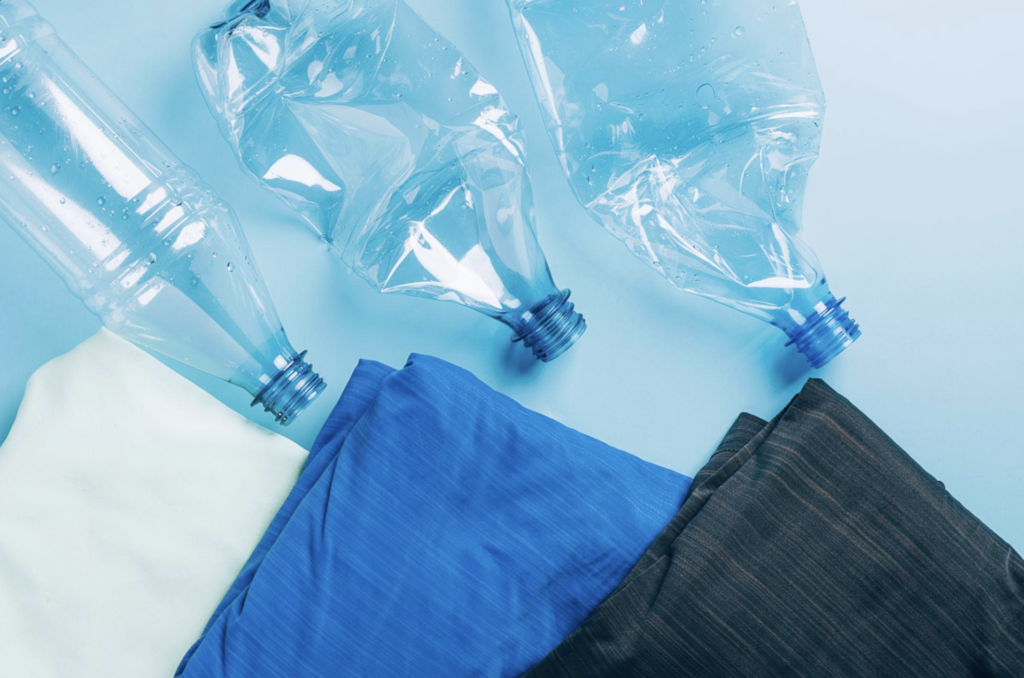
Recycled & Eco Materials
Recycled PET polyester
Organic cotton
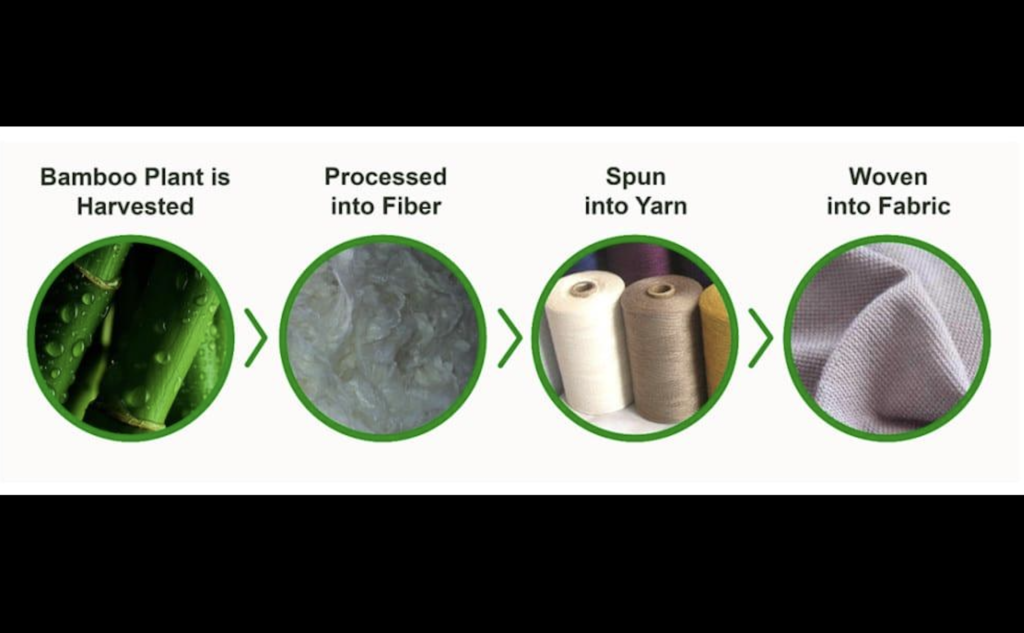
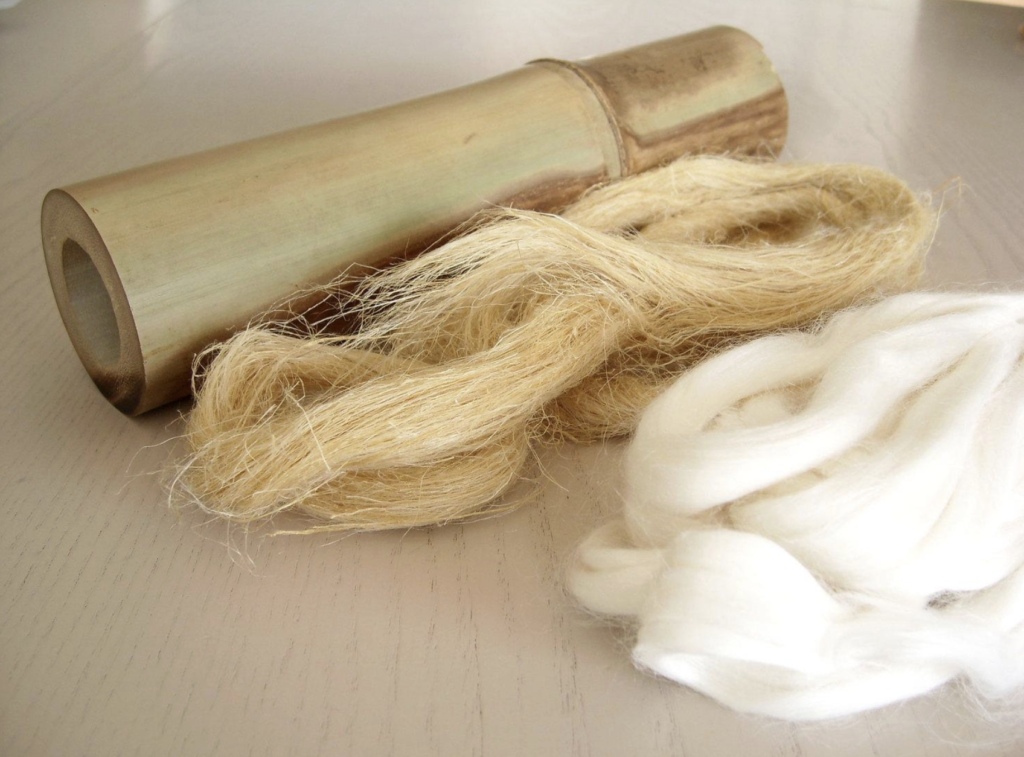
Bamboo fiber
Hemp fiber Tencel / Lyocell
Difference Between Knitted and Woven:
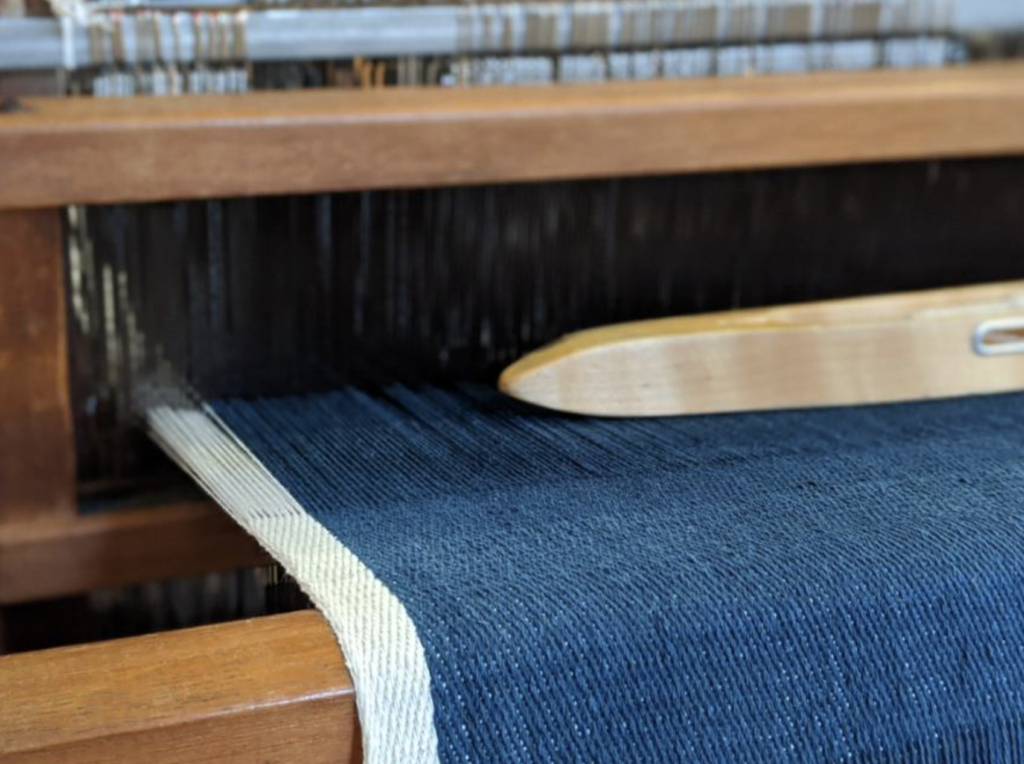
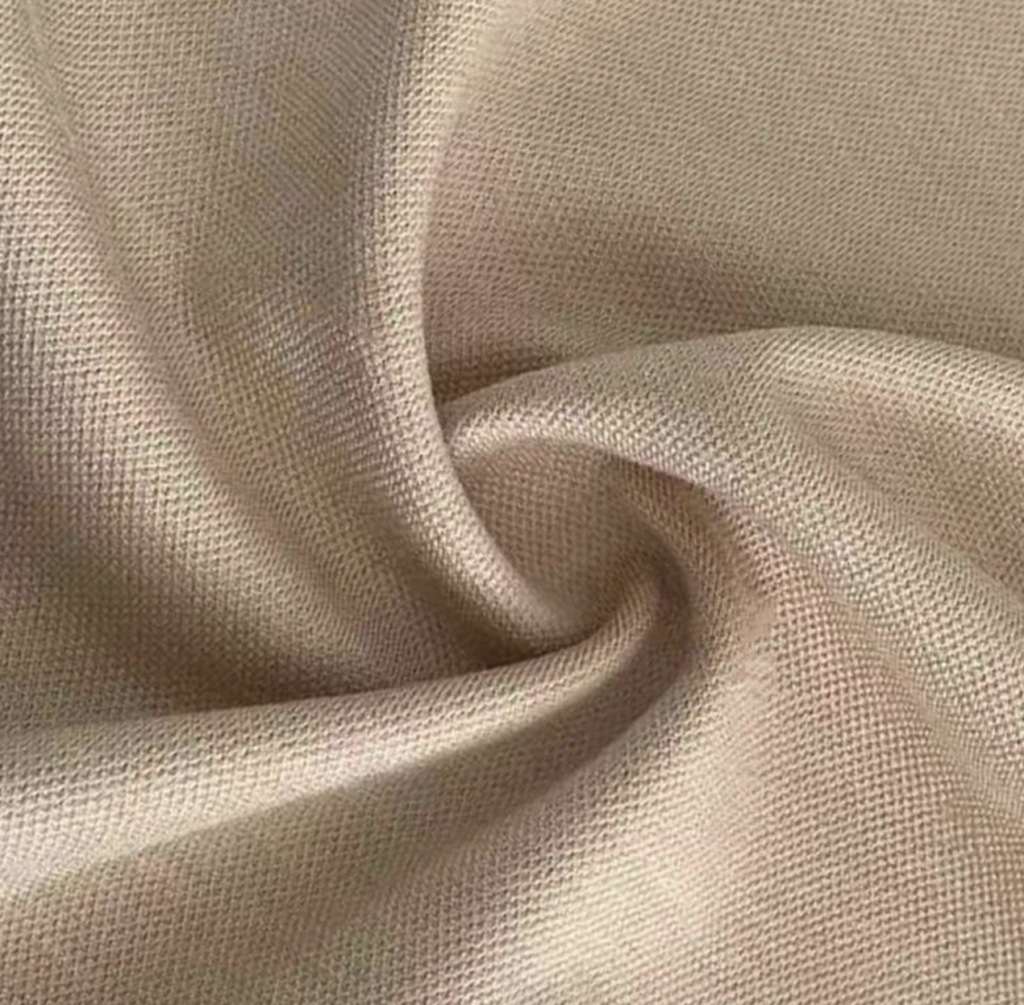
Woven Fabric
Made by:
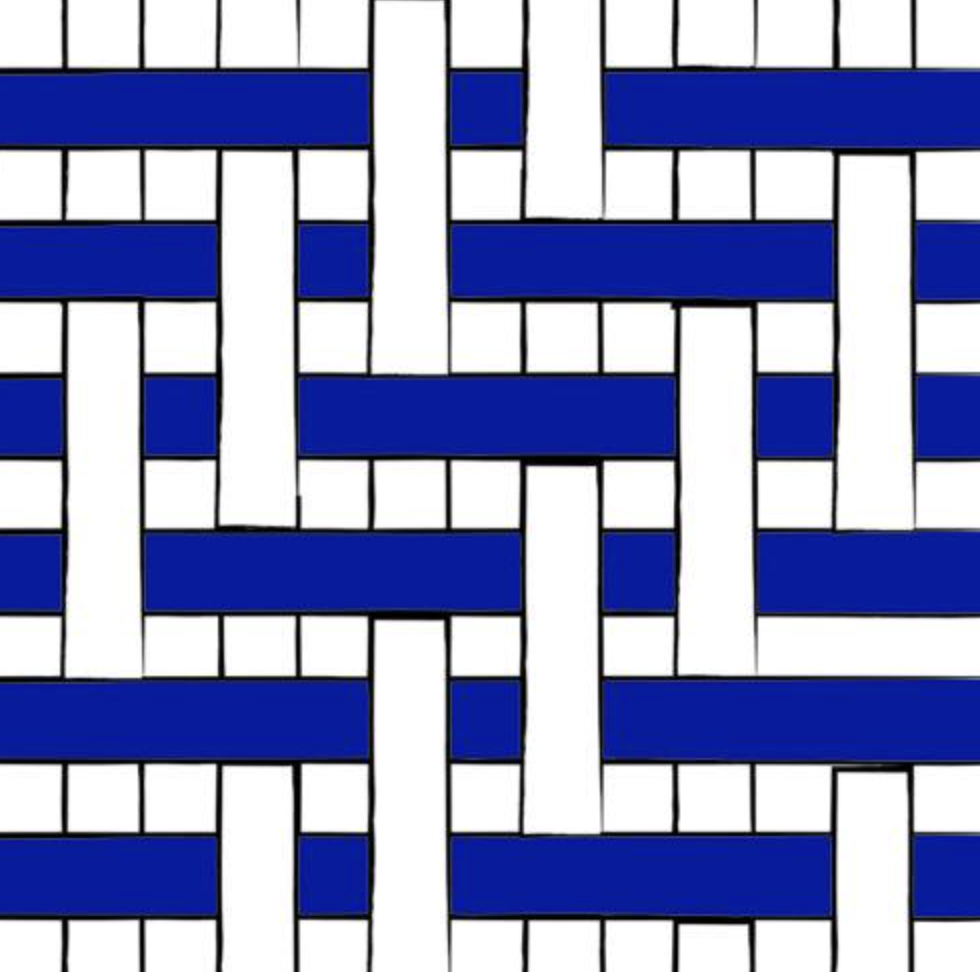
- crossing yarns horizontally and vertically
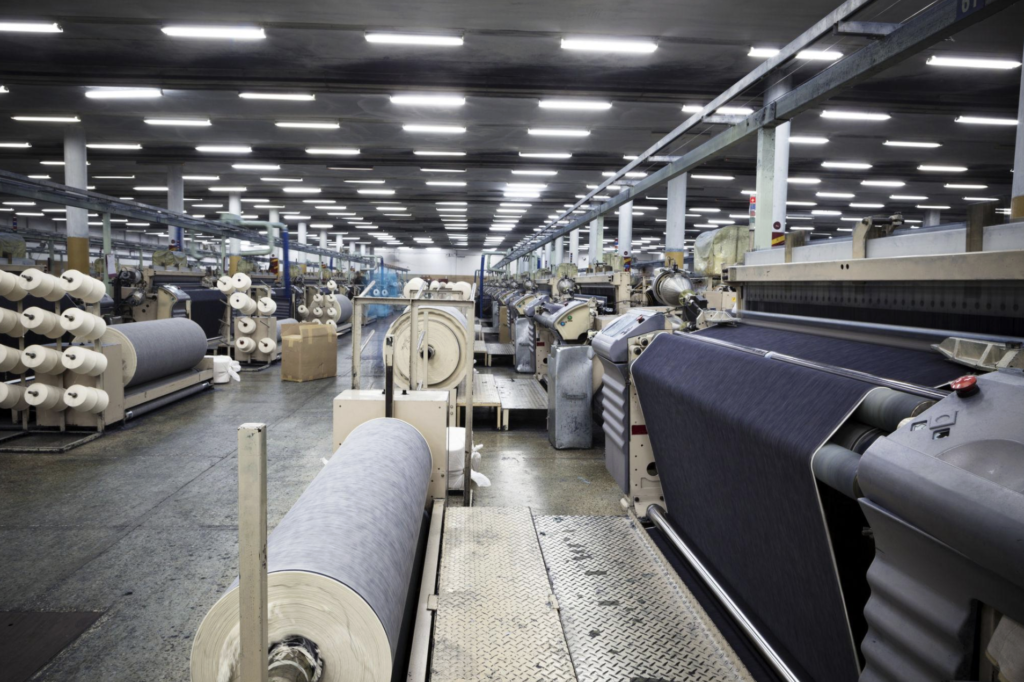
- using weaving looms
Examples:
- denim
- shirts
- curtains
- upholstery
- bedsheets
Characteristics:
- less stretch
- stronger structure
- more formal appearance
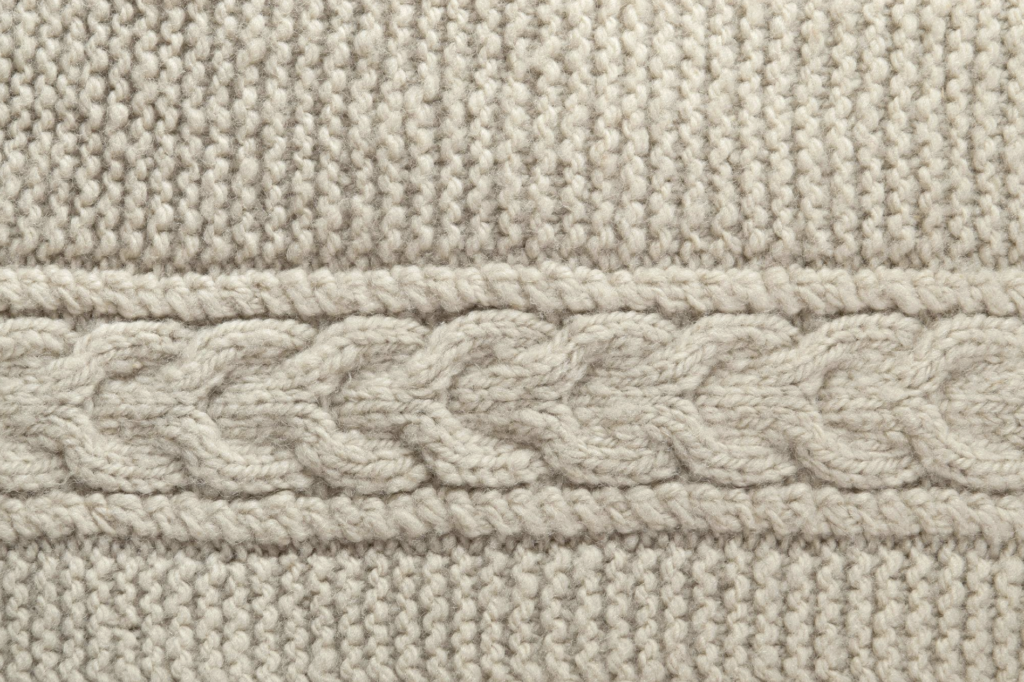
Knitted Fabric:
Knitted Fabric
Made by:
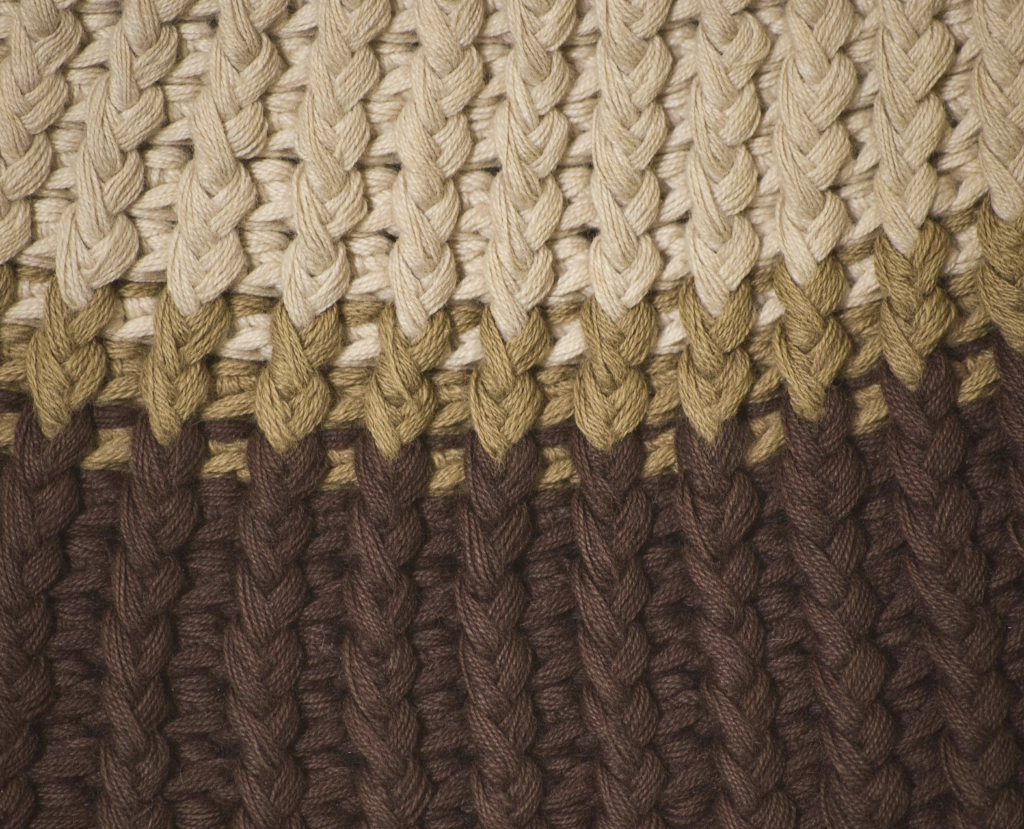
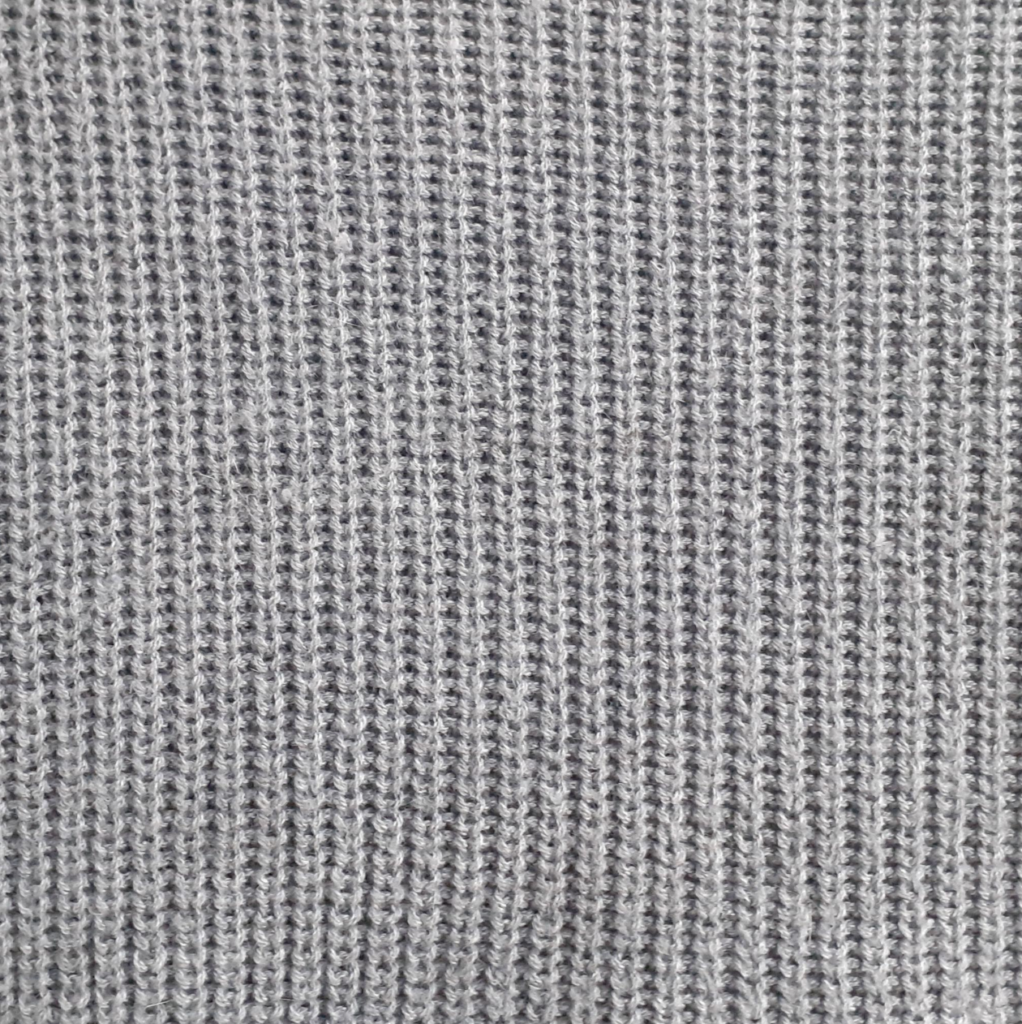
- looping yarn together
- using knitting machines
Examples:
- T-shirts
- sportswear
- hoodies
- socks
- sweaters
Characteristics:
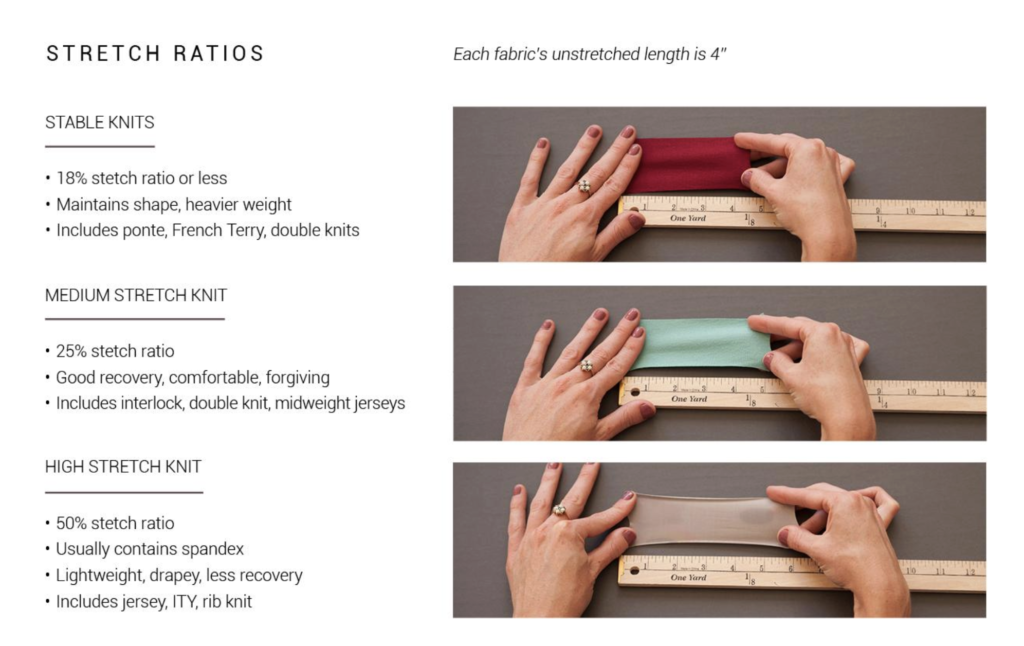
- stretchy
- soft
- comfortable
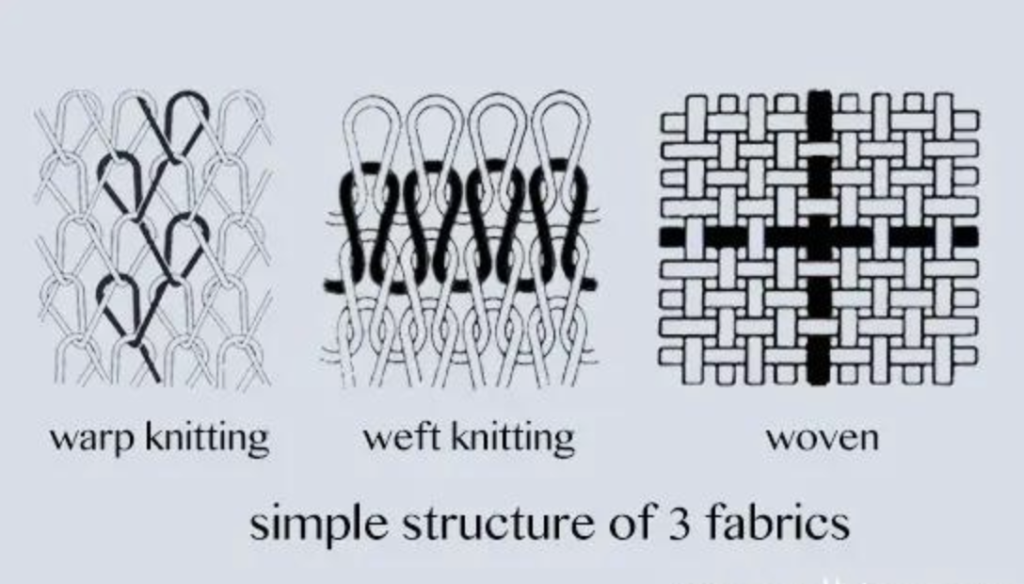
Knitted vs Woven Fabrics:
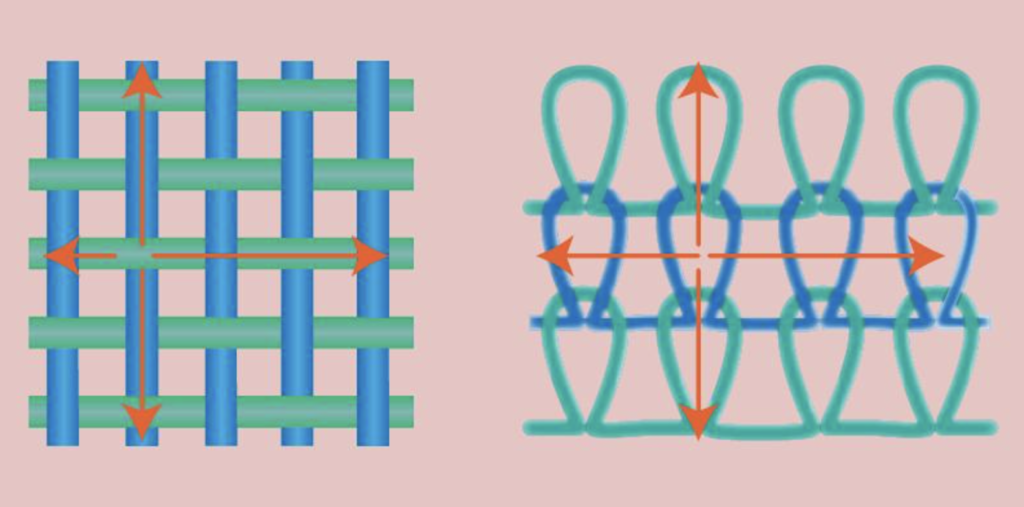
The main difference is in the construction method:
Woven Fabric
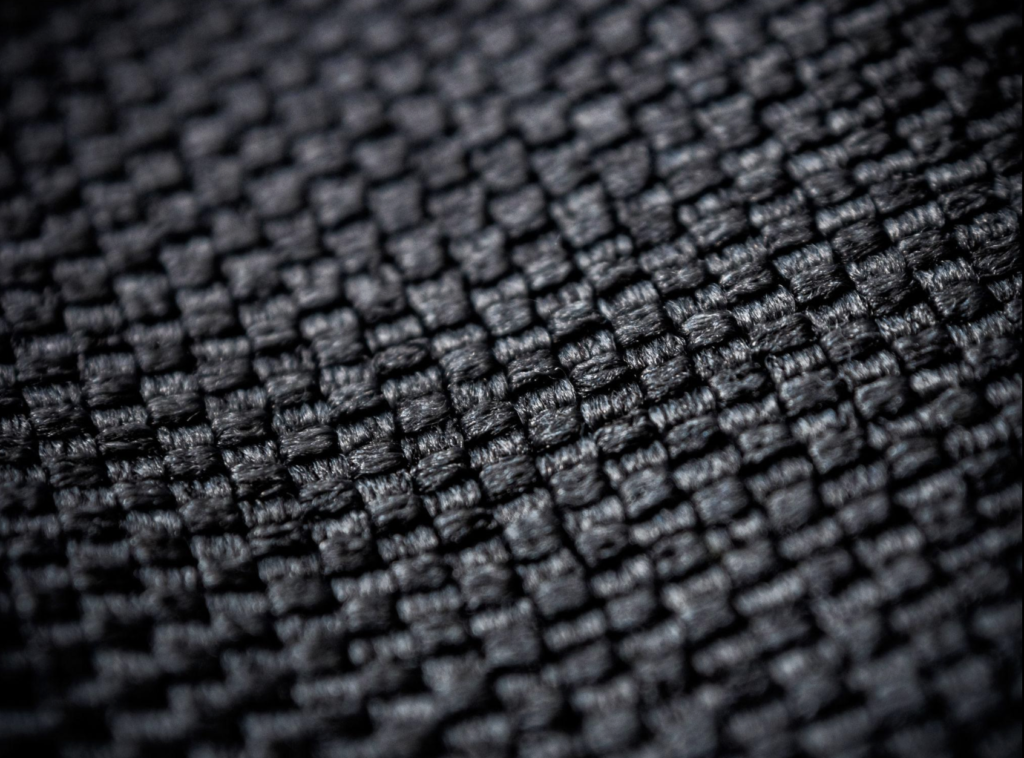
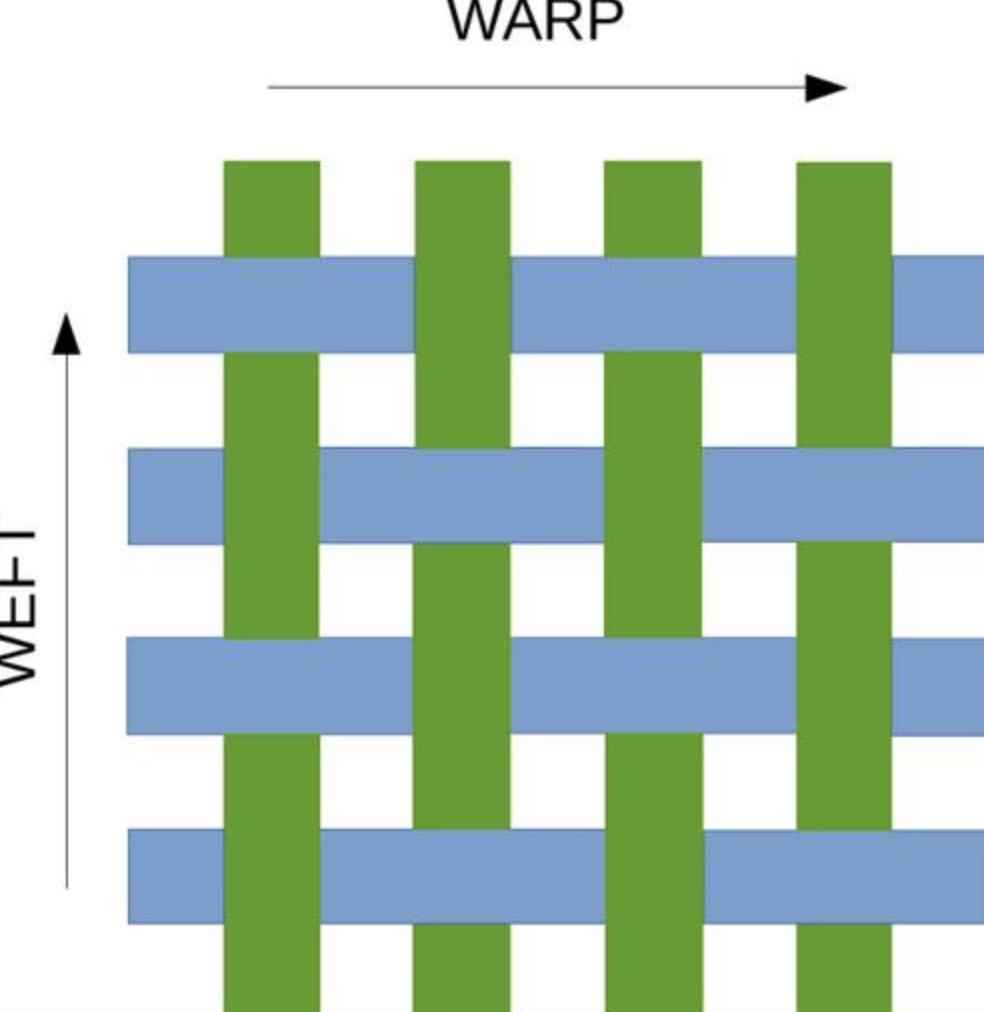
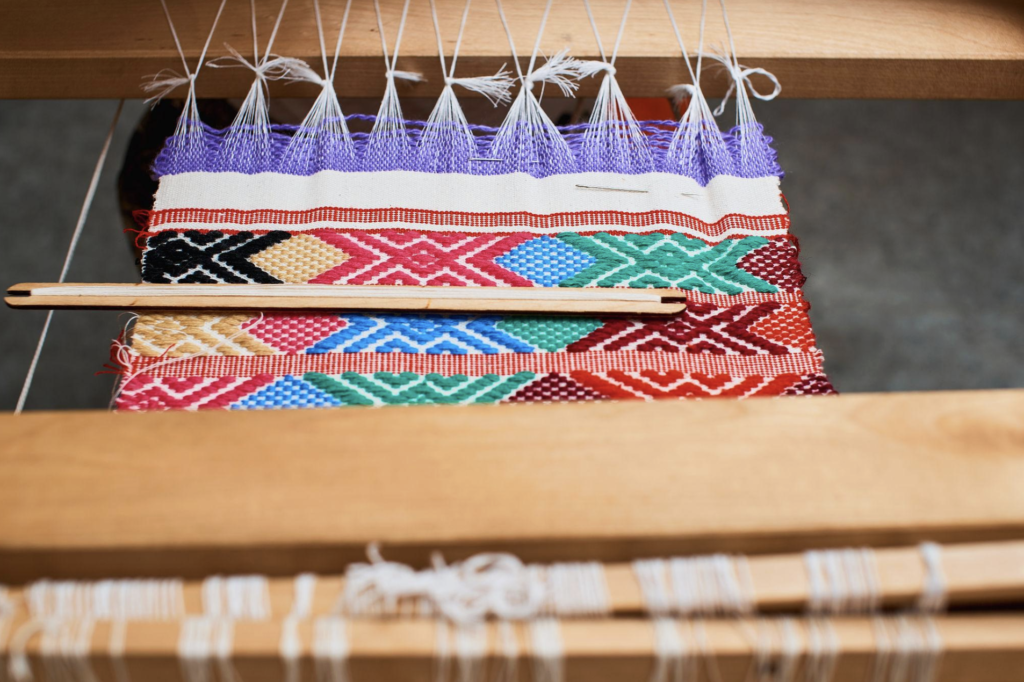
Woven fabrics are produced by interlacing two sets of yarns:
- Warp yarns (lengthwise)
- Weft yarns (crosswise)
The yarns cross each other at right angles on a weaving loom, creating a stable and durable fabric structure.
Examples:
- Denim
- Poplin
- Canvas
- Twill
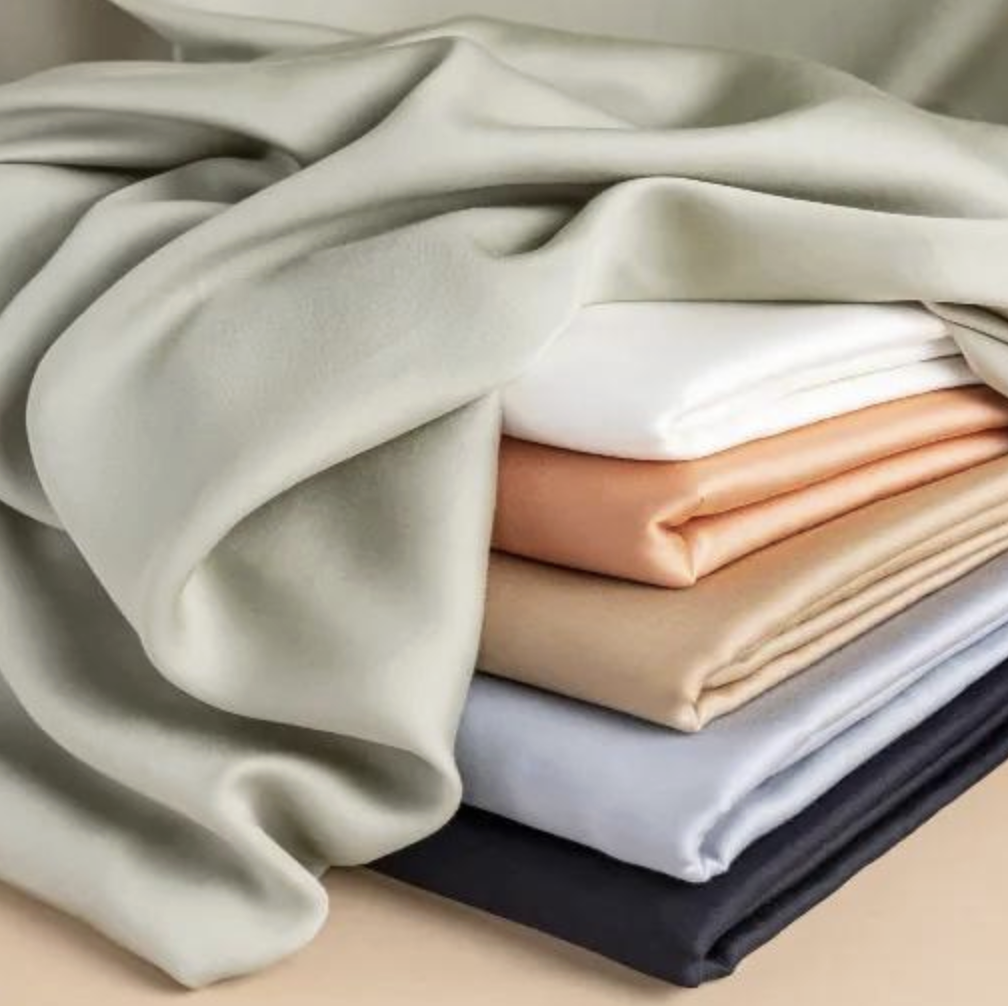
- Satin
- Upholstery fabrics
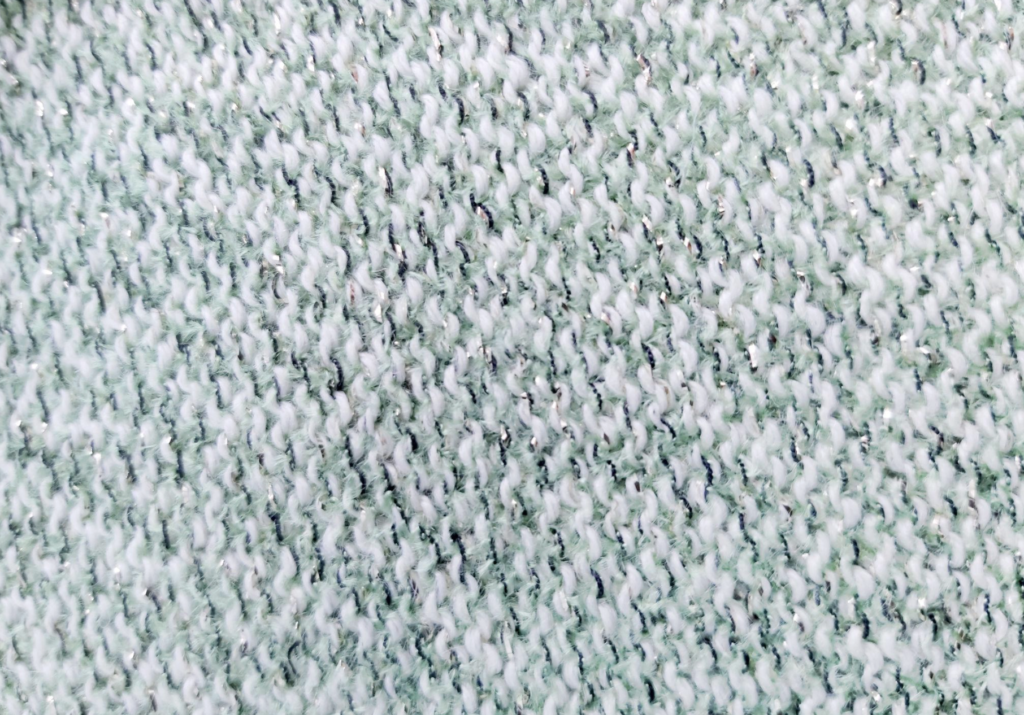
Knitted Fabric
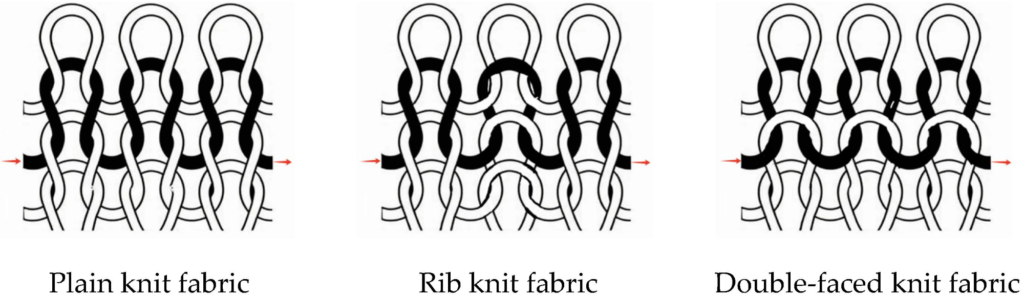
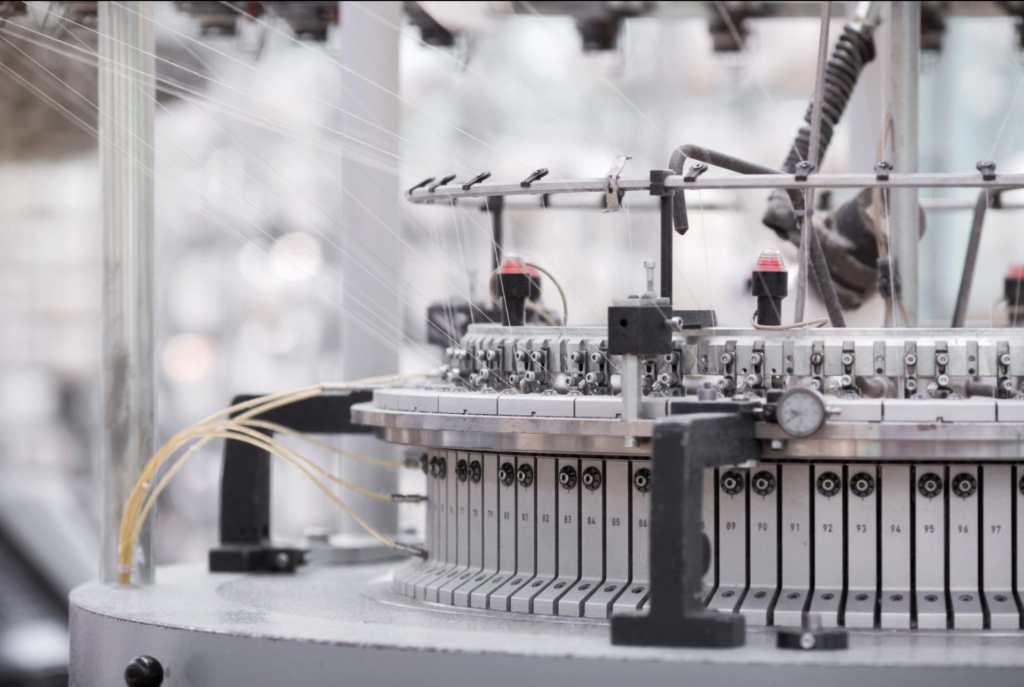
Knitted fabrics are produced by forming interconnected loops of yarn.
The loop structure gives the fabric natural elasticity, softness, and comfort.
Examples:
- Jersey
- Rib knit
- Interlock
- Fleece
- Sweater fabrics
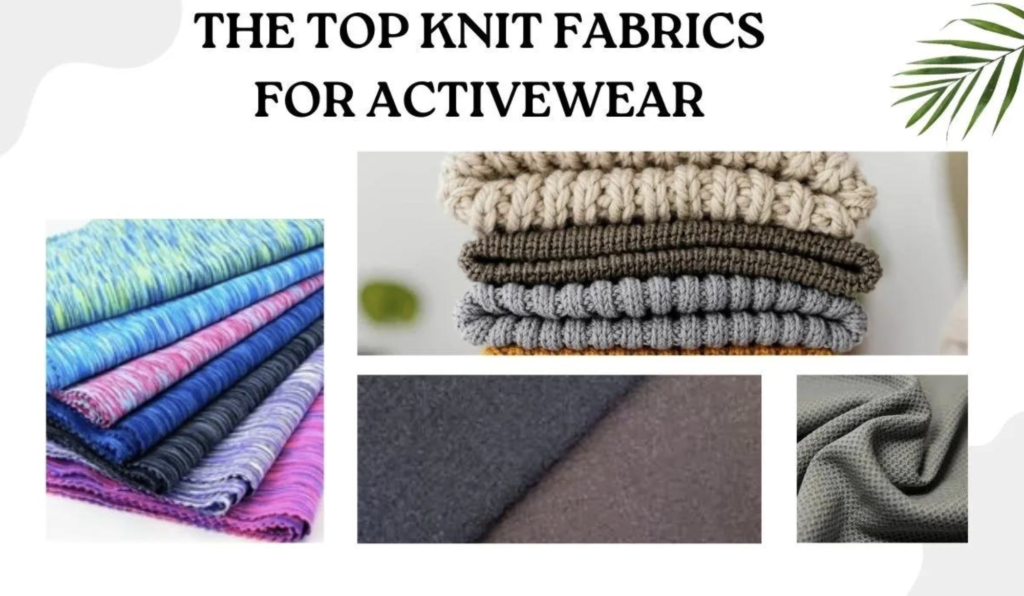
- Sportswear fabrics
Raw Materials Used:
Both woven and knitted fabrics can be made from:
Natural Fibers
- Cotton
- Linen (Flax)
- Wool
- Silk
Regenerated Fibers
- Viscose
- Modal
- Lyocell (Tencel)
Synthetic Fibers
- Polyester
- Nylon
- Acrylic
- Spandex / Elastane
Recycled Fibers
- Recycled Polyester (rPET)
- Recycled Cotton
- Recycled Nylon
Manufacturing Process:
Woven Fabric Production:
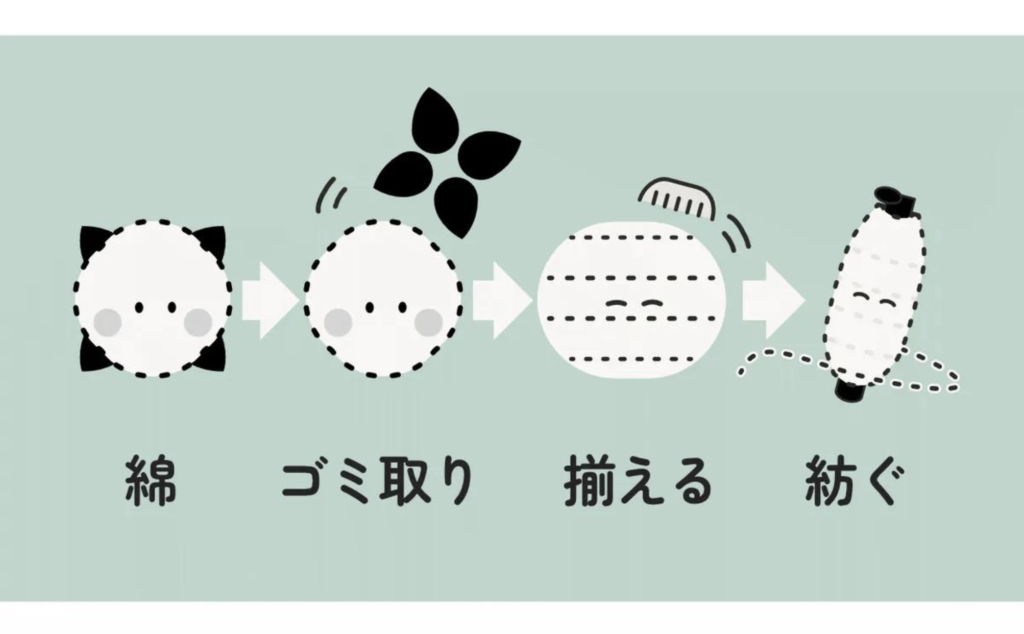
Step 1: Fiber Preparation
Raw cotton, polyester, viscose, or other fibers are cleaned and prepared.
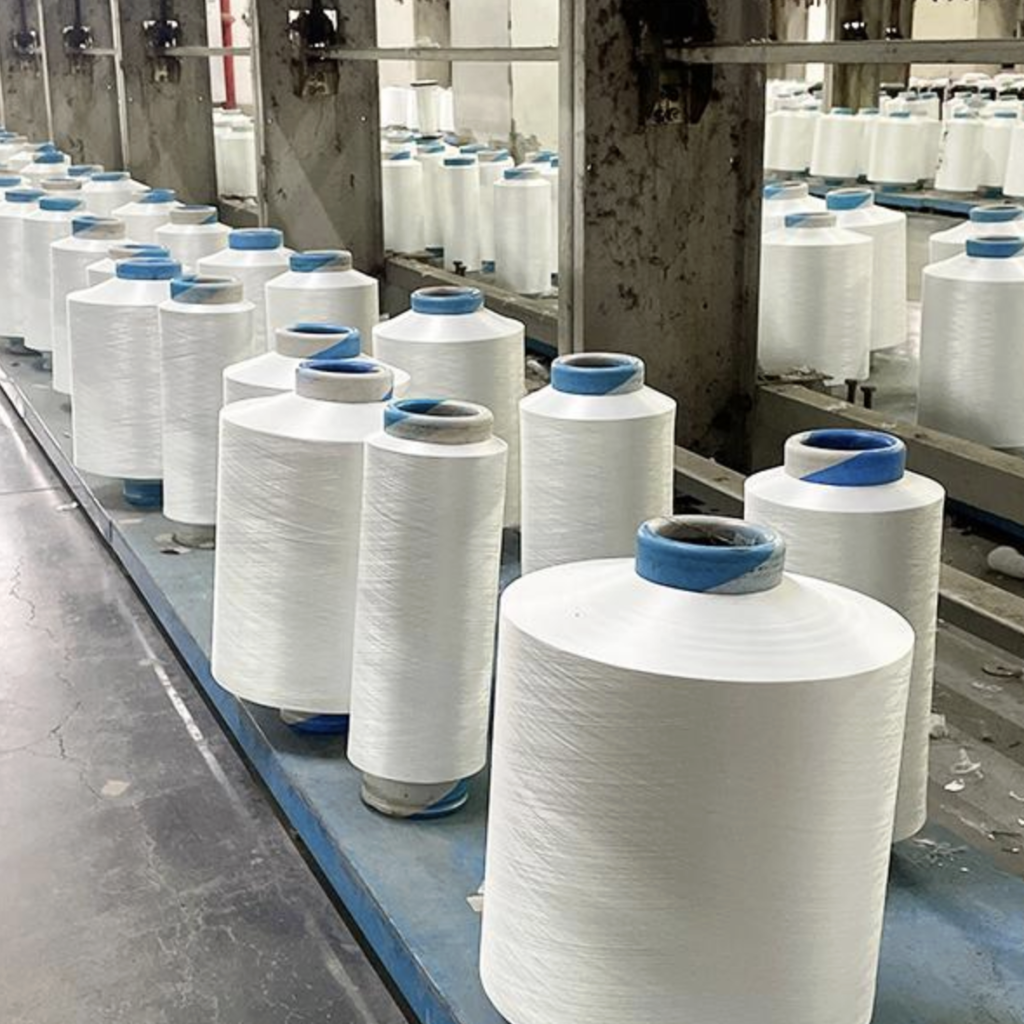
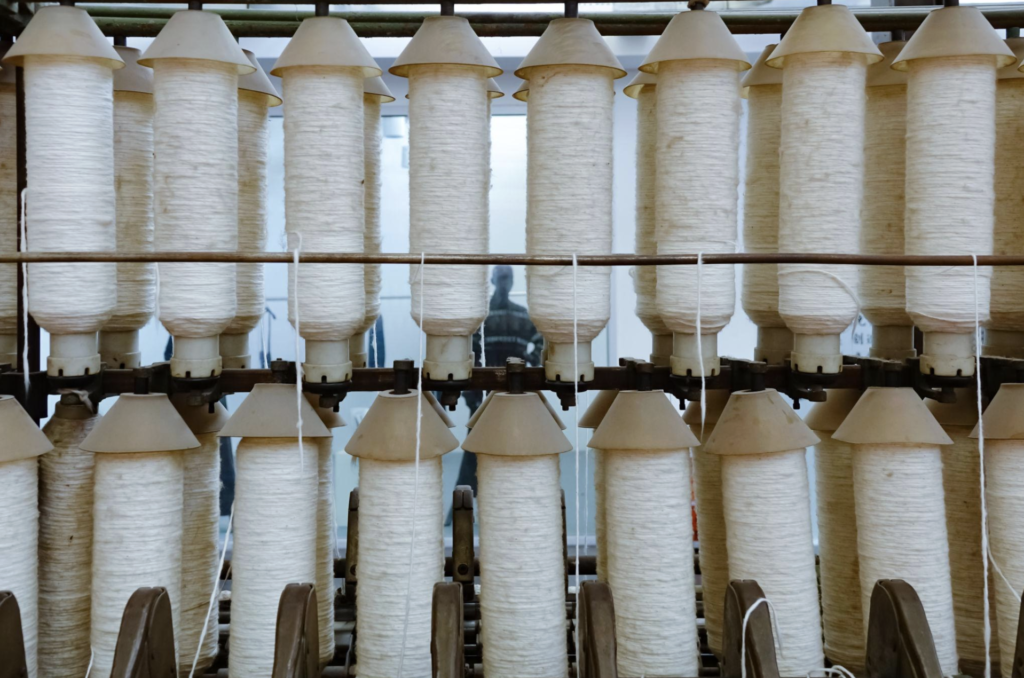
Step 2: Spinning
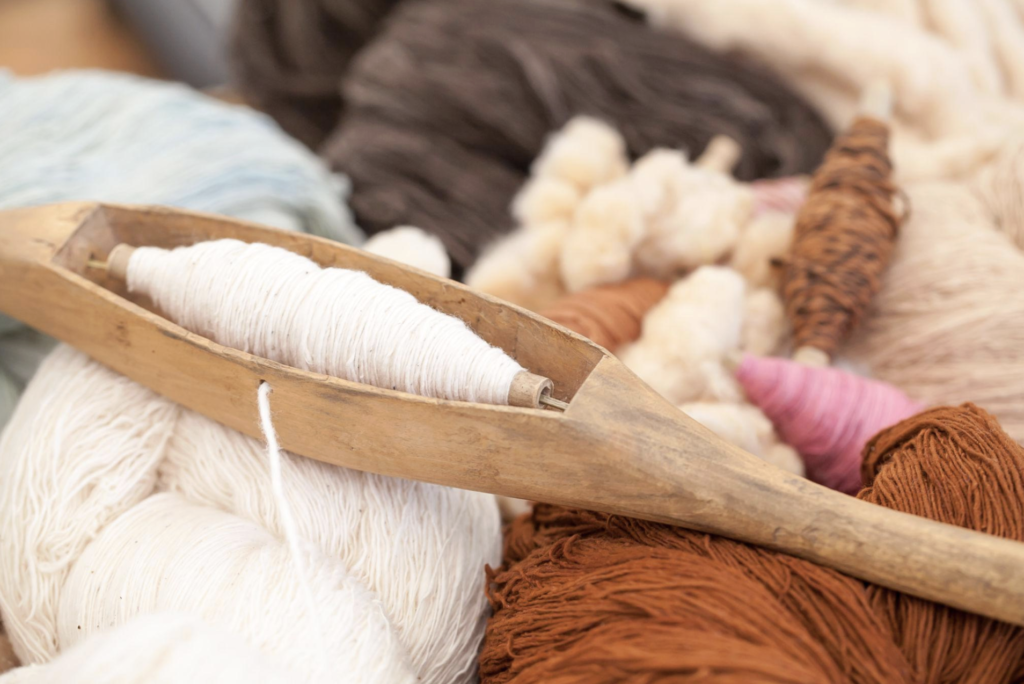
Fibers are twisted into yarn.
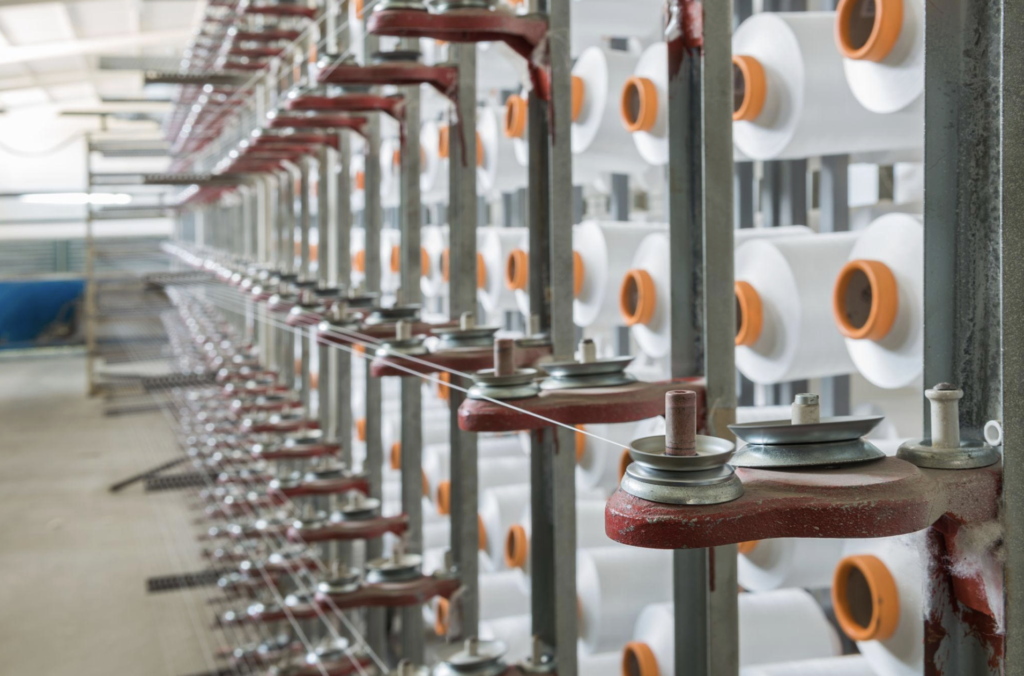
Step 3: Warping
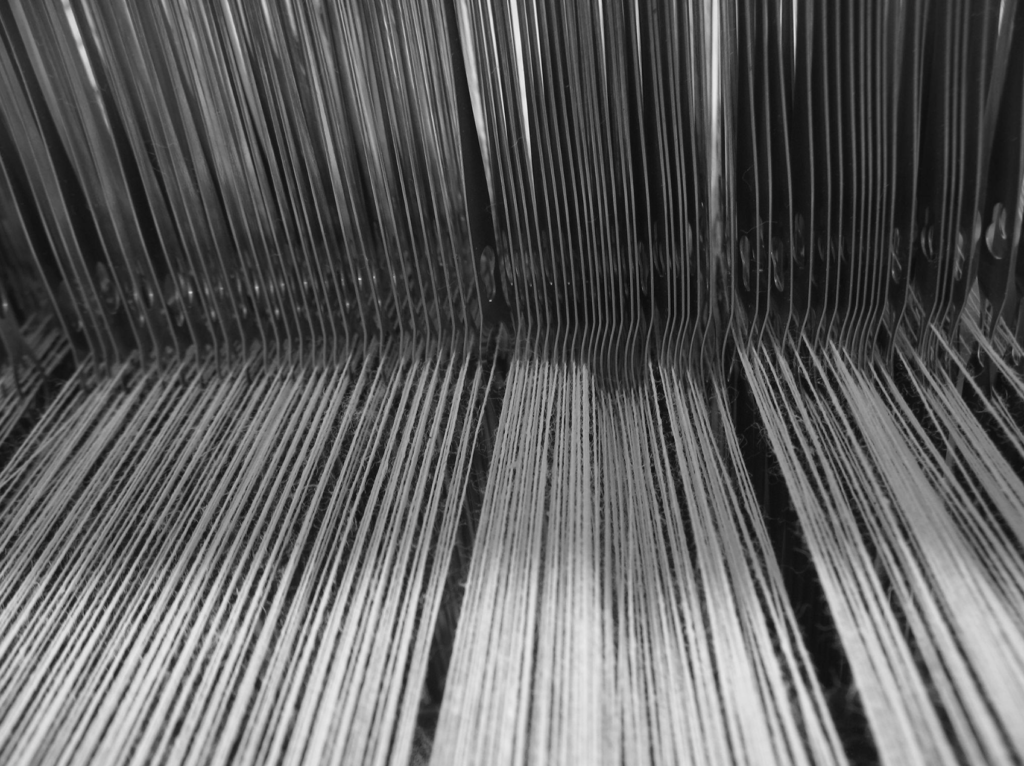
Thousands of warp yarns are arranged parallel onto a beam.
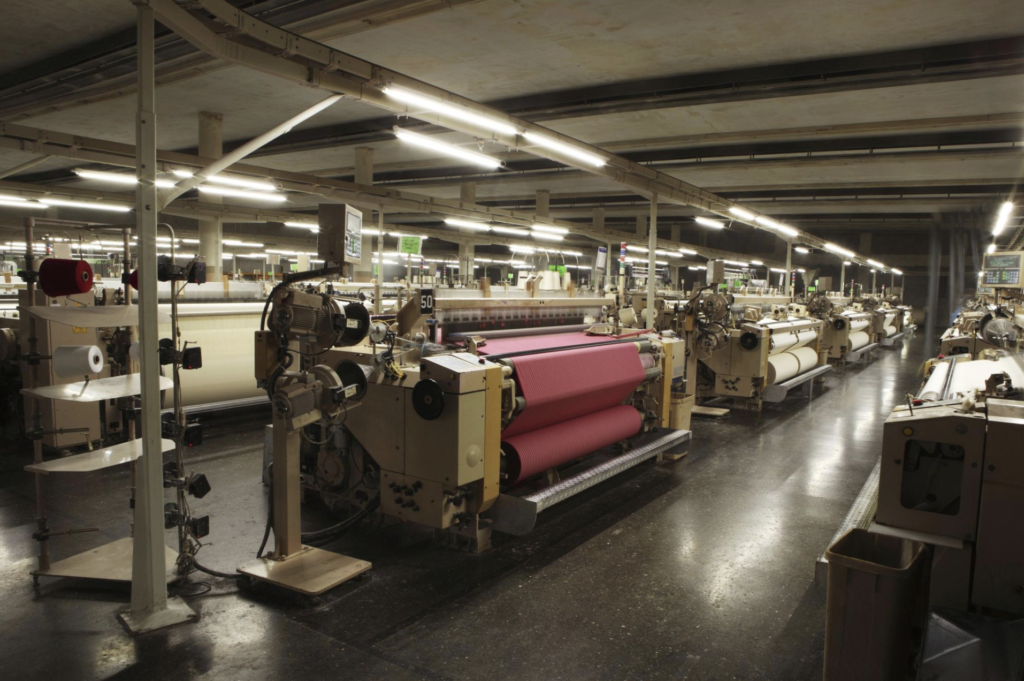
Step 4: Weaving
Warp and weft yarns are interlaced on a loom to form fabric.
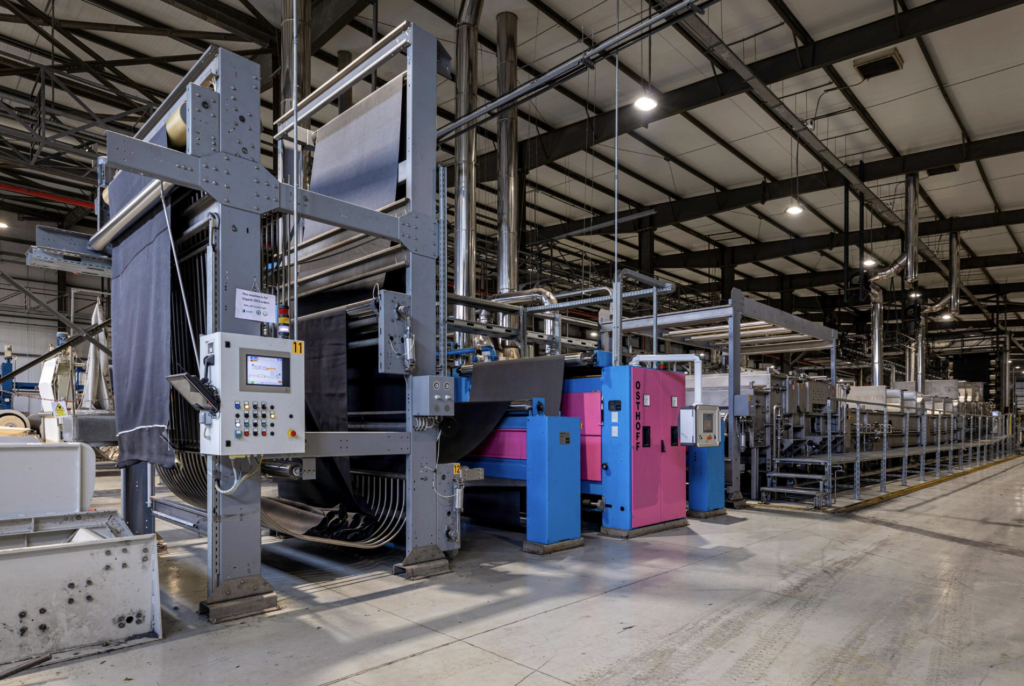
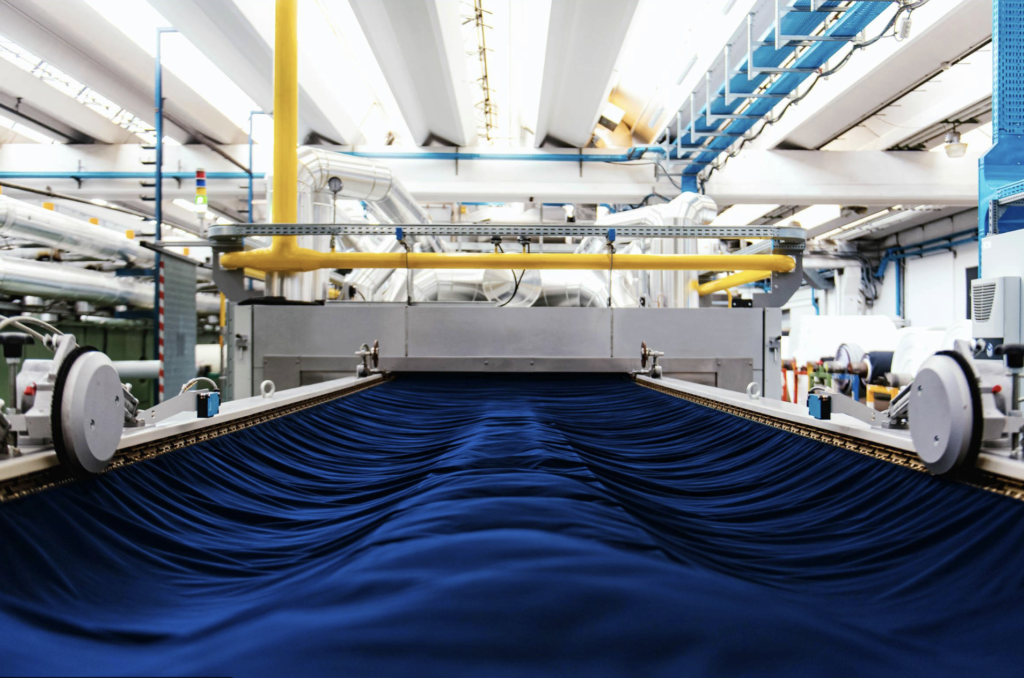
Step 5: Dyeing & Finishing
Fabric is dyed, softened, brushed, coated, or treated according to end use.
Knitted Fabric Production:
Step 1: Fiber Preparation
Raw fibers are processed.
Step 2: Spinning
Fibers become yarn.
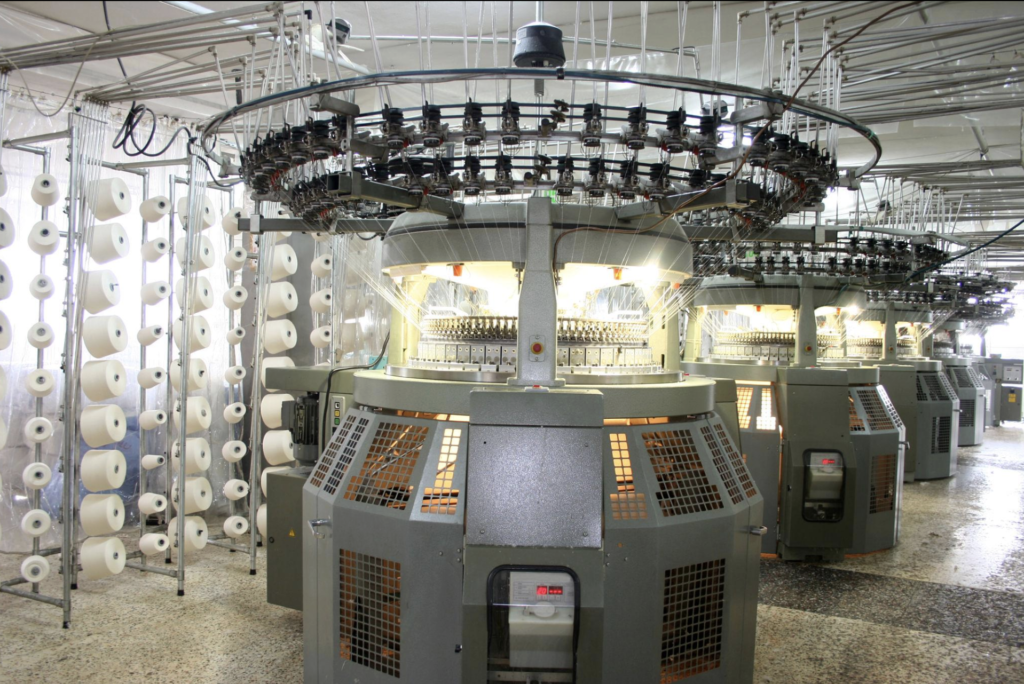
Step 3: Knitting
Knitting machines form loops from the yarn.
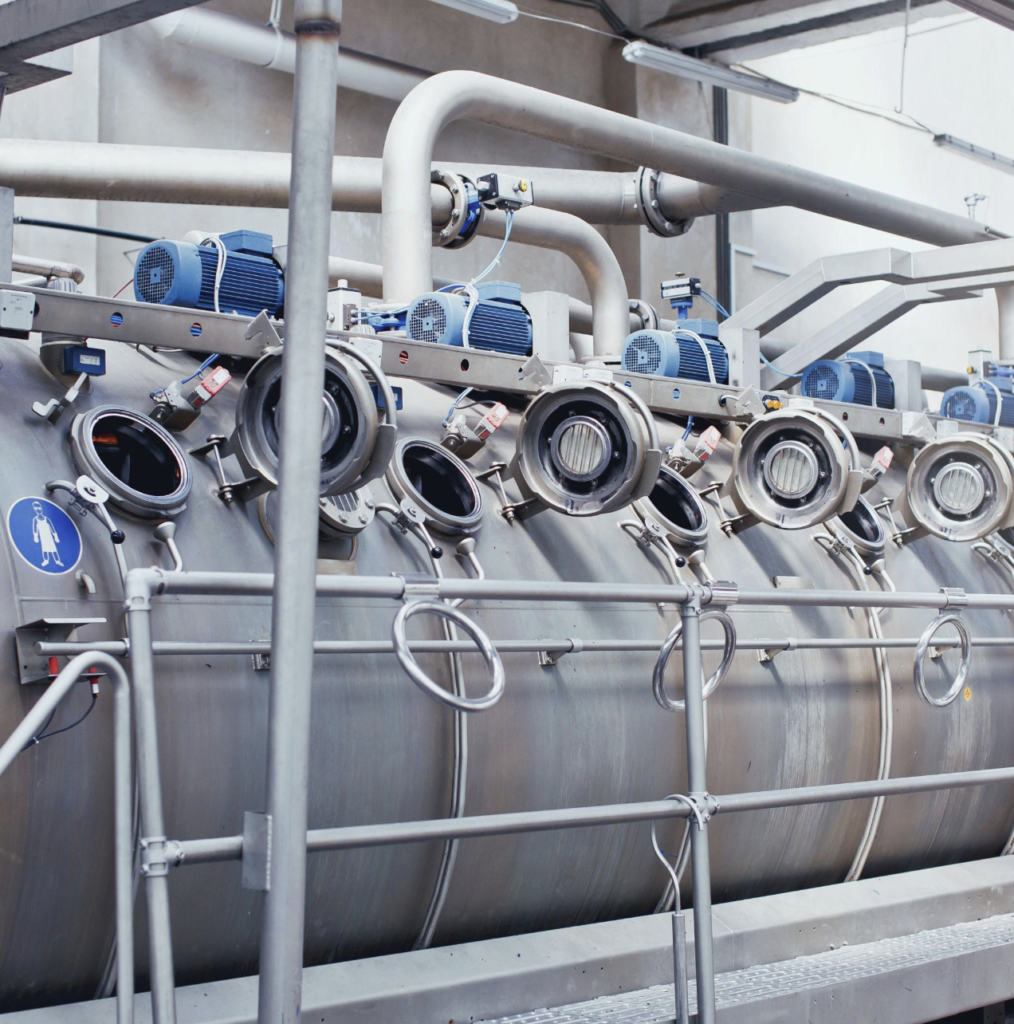
Step 4: Dyeing
Fabric receives color treatment.
Step 5: Finishing
Softening, compacting, brushing, moisture management, or anti-pilling treatments are applied.
-
Useful Educational Sources!*
✴︎